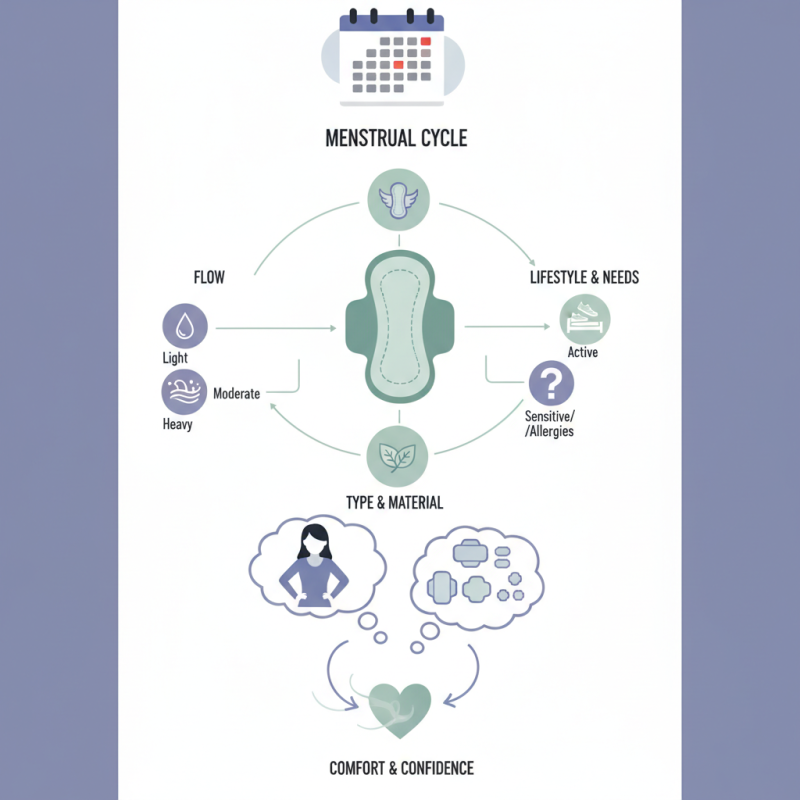
Choosing the right menstrual pads can greatly impact comfort and confidence during your menstrual cycle. With numerous options available, finding the best fit for your needs requires careful consideration. Menstrual pads come in various shapes, sizes, and absorbencies, making understanding these aspects essential.
You may feel overwhelmed by choices. Some pads are designed for heavy flow, while others work better for lighter days. The materials used can also vary. Some individuals prefer organic options or those with specific features, like wings for added protection.
Reflecting on your unique needs is important. Think about your lifestyle, flow patterns, and any sensitivities. This awareness will guide you in selecting the most suitable menstrual pads. Trust your instincts, and don't hesitate to experiment with different types until you find the right match. Each person's experience is unique, and taking the time to explore these options can improve your overall menstrual health and well-being.
Understanding Different Types of Menstrual Pads Available in the Market
When it comes to menstrual pads, understanding the various types available is crucial for personal comfort and hygiene. There are primarily three categories: disposable, reusable, and organic pads. Disposable pads are widely used due to their convenience. Data from the Women’s Health Research Institute indicates that around 90% of menstruators opt for disposables at some point. Yet, they contribute significantly to environmental waste.
Reusable pads offer a sustainable option.
Reusable pads, often made from cloth, offer a sustainable alternative. A study by the Environmental Protection Agency highlights that switching to reusable products can reduce waste by over 30%. While they require regular washing, many find them cost-effective and gentle on sensitive skin. Organic pads, made from biodegradable materials, are gaining popularity. They are free from synthetic chemicals, making them a safer choice for those with allergies. However, they tend to be pricier.
When selecting a pad, consider absorbency, size, and material. Each person's flow varies. Research shows that 60% of users prefer high-absorbency options during heavier days. However, many overlook that the right size can enhance comfort significantly. Reflecting on personal needs and environmental impact is key in this choice.
Factors to Consider When Choosing Menstrual Pads for Personal Comfort
When choosing menstrual pads, personal comfort is key. There are various factors to consider. First, think about absorbency. You need something that will last throughout the day. Light pads may work for lighter days, while heavier ones are essential during a flow. It's crucial to understand your cycle and choose accordingly.
Material is another important aspect. Some people prefer cotton, while others may find synthetic materials irritate their skin. Try to select pads that feel soft against your body. If you often experience rashes, it may be time to rethink your choice. Consider hypoallergenic options if sensitivity is an issue.
Tips: Pay attention to the size of the pad. A larger pad might provide more coverage, but it can be bulkier. For some, this can be uncomfortable. Explore different shapes too. Some pads are contoured for better fit. Experiment to find what suits your body best, as comfort varies greatly. Don't hesitate to make adjustments based on your needs; there's no one-size-fits-all solution.
How to Assess Absorbency Levels for Your Menstrual Flow Needs
When selecting menstrual pads, understanding absorbency is crucial. Different flow levels require varying absorbency. Light days may only need a thin pad, while heavier days call for more substantial options. It's essential to know your cycle patterns. Tracking your flow can help you determine which absorbency level suits you best.
Absorbency levels are typically categorized into different ranges, such as light, regular, and super. A light pad can hold a small amount of fluid, while a super absorbent pad manages a heavier flow. Many women find comfort and confidence by choosing pads that match their specific needs.
Consider how often you may need to change your pad during the day. If you find yourself needing frequent changes, your absorbency choice might not be adequate. Reflecting on your experiences each month can guide future decisions. Take note of your comfort levels and any leaks. This reflection will lead to better choices in the long run.
How to Choose the Best Menstrual Pads for Your Needs? - How to Assess Absorbency Levels for Your Menstrual Flow Needs
Pad Type
Absorbency Level
Ideal Flow Type
Comfort Level
Material Type
Regular Pad
Moderate
Light to Moderate Flow
High
Cotton
Overnight Pad
Heavy
Moderate to Heavy Flow
Very High
Bamboo
Panty Liner
Light
Light Flow or Spotting
Medium
Cotton
Bladder Pad
Extra Heavy
Very Heavy Flow
High
Synthetic
Maternity Pad
Super Heavy
Postpartum
High
Cotton & Gel
Evaluating Pad Materials for Skin Sensitivity and Environmental Impact
When selecting menstrual pads, materials play a crucial role. Many women face skin sensitivity issues, often linked to common pad components. According to a 2021 report by the Journal of Women's Health, up to 30% of menstruators experience irritation from synthetic materials. This raises the question of safer alternatives. Organic cotton pads offer a hypoallergenic option. They minimize exposure to chemicals, which can trigger allergic reactions.
Environmental impact is another essential consideration in pad choice. A recent study published in the Environmental Science and Technology journal revealed that traditional pads can take up to 800 years to decompose. Conversely, biodegradable options made from natural fibers break down in less than five years. This data underscores the importance of sustainable materials. Some users might find it challenging to balance comfort and environmental concerns.
Analyzing the choices can be overwhelming. Some pads may contain fragrances or bleach, which can cause reactions. Reports indicate that a simple cotton pad can be safer and better for the planet. As consumers become more eco-conscious, exploring these materials is vital. A thoughtful approach can lead to a healthier menstrual experience.
Budgeting for Menstrual Pads: Finding Quality Options Within Your Price Range
Budgeting for menstrual pads can be a daunting task. Many women feel overwhelmed by the myriad of options available. However, there are effective strategies to find quality pads without breaking the bank.
Consider your needs first. Heavy flow days require more absorbent options. Lighter days might only need a thinner pad. This awareness can guide your choices.
Look for sales and promotions. Many retailers offer discounts on bulk purchases. Sometimes a brand may have a sale for new customers. Comparing prices online is also worthwhile. You can often find user reviews that highlight quality and comfort. Not all expensive pads guarantee better performance, so assessing their value is crucial.
There may be moments of dissatisfaction. Some pads might irritate your skin, while others may lack absorbency. It’s essential to experiment and find what works best for you. Establishing a budget is not just about saving money; it also involves assessing your comfort and needs throughout your cycle.
Keep notes on what you like and dislike. It helps to refine future purchases.
FAQS
: How do I choose the right absorbency level for my menstrual pad?
: Consider your flow patterns. Light days need thin pads, while heavier days require super absorbent options.
What should I do if I need to change my pad frequently?
Frequent changes suggest your current absorbency level may not be adequate. Reflect on your flow to adjust accordingly.
Are there options for those with sensitive skin?
Yes, organic cotton pads are hypoallergenic. They reduce irritation caused by synthetic materials.
How long do traditional menstrual pads take to decompose?
Traditional pads can take up to 800 years to decompose. This highlights the need for eco-friendly choices.
Why should I consider biodegradable pads?
Biodegradable pads break down in less than five years. They are better for the environment compared to traditional options.
Can fragrances in pads cause skin reactions?
Yes, pads with fragrances or bleach can irritate your skin. Choosing simple cotton pads may be safer and healthier.
How can I track my menstrual flow effectively?
Keeping a journal of your cycle can help you understand your flow better and choose the right pad absorbency.
What challenges might I face when choosing pads?
Balancing comfort and environmental impact can be tough. Reflect on your experiences to make informed choices.
Are all menstrual pads the same in terms of comfort?
No, comfort varies. It's essential to test and see which materials and absorbencies work best for you.
What impact do menstrual pads have on the environment?
Traditional pads have a significant environmental footprint. Choosing sustainable materials can help mitigate this impact.
Conclusion
Choosing the best menstrual pads requires an understanding of the various types available and their suitability for individual preferences. To make an informed decision, it’s essential to consider factors such as personal comfort, absorbency levels tailored to your flow, and the materials used in the pads. Evaluating these aspects can help ensure you select a product that meets your needs while also being gentle on the skin and environmentally friendly.
Additionally, budgeting for menstrual pads is crucial. There are quality options available across different price ranges, allowing you to find a balance between affordability and effectiveness. By assessing these key factors, you can confidently choose menstrual pads that not only support your health but also align with your lifestyle and values.
Charlotte is a seasoned marketing professional with a deep understanding of the company's portfolio and a passion for elevating its presence in the market. With a keen eye for detail and a commitment to excellence, she ensures that our professional blog is regularly updated with insightful articles......

 Wholesome